Exploring the Versatility of Moroccan Tiles Digital Paper
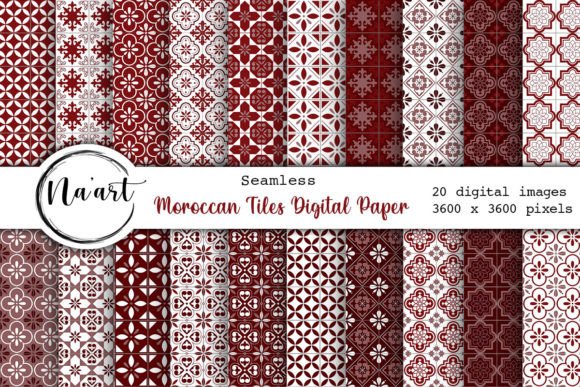
Moroccan Tiles Digital Paper is a unique and versatile design that has gained popularity among designers, creators, and professionals across various industries. This seamless pattern, available in high resolution at 300 DPI with dimensions of 3600 x 3600 pixels, offers an extensive range of applications. With a downloadable package that includes 20 JPG files, it provides users with the flexibility to use it in multiple formats and projects. The intricate geometric patterns inspired by traditional Moroccan art make this digital paper a valuable asset for both creative and practical purposes.
The Aesthetic Appeal of Moroccan Tiles Design
The Moroccan Tiles Digital Paper is characterized by its rich, detailed, and timeless aesthetic. Drawing from the architectural elements of Morocco, such as the intricate tile work found in historic cities like Marrakech and Fez, this pattern combines elegance with cultural depth. Each tile features a distinct yet harmonious design, creating a visually appealing mosaic effect when tiled seamlessly. The use of bold colors and symmetrical layouts adds a sense of sophistication and warmth to any project.
What sets Moroccan Tiles Digital Paper apart is its ability to blend traditional motifs with modern design principles. This balance allows it to be used in both contemporary and classic settings, making it adaptable to a wide array of creative needs. Whether applied to digital media or physical products, the design maintains its visual impact and cultural significance.
Applications Across Multiple Industries
Moroccan Tiles Digital Paper is not limited to a single industry or application. Its versatility makes it suitable for a variety of uses, including but not limited to:
- Websites and Blogs: Incorporating this pattern into website backgrounds or blog headers can enhance the visual appeal and create a cohesive brand identity.
- Shop Designs: Retailers and e-commerce businesses can utilize this pattern for packaging, banners, or promotional materials to stand out in a competitive market.
- Circuit Sillouette Projects: Artists and crafters working with circuit silhouettes can use this pattern as a base for their creations, adding a decorative element to their designs.
- Branding Materials: From business cards to brochures, posters, and key chains, this pattern can be integrated into branding efforts to convey a sense of quality and authenticity.
- Notebooks and Stationery: The pattern can be printed on notebooks, binders, planners, and journal covers, offering a personalized touch to everyday items.
- Stationery Sets: Cards, envelopes, and other stationery items can benefit from the addition of Moroccan Tiles Digital Paper, enhancing their visual appeal and functionality.
- Wall Art and Printables: This pattern is ideal for creating wall art, printable designs, and other decorative items that can be used in both home and office environments.
Each of these applications highlights the adaptability of Moroccan Tiles Digital Paper, allowing users to leverage its beauty and functionality in diverse contexts.
Technical Advantages and Considerations
One of the key advantages of using Moroccan Tiles Digital Paper is its high resolution of 300 DPI, which ensures clarity and sharpness when printed. This level of detail is essential for professional use, especially in print media where quality is paramount. The seamless nature of the pattern also simplifies the tiling process, eliminating the need for manual adjustments or overlaps.
Additionally, the availability of 20 JPG files provides users with multiple options for customization. This allows for greater flexibility in scaling, positioning, and integrating the pattern into different projects. Whether working on a large-scale design or a small detail, the abundance of files ensures that users have the necessary resources to achieve their desired outcome.
When considering the technical aspects of using Moroccan Tiles Digital Paper, it's important to ensure that the software or tools being used are compatible with high-resolution image formats. Additionally, users should pay attention to file size and resolution requirements depending on the intended use, whether for digital display or physical printing.
Real-World Examples and Use Cases
The practical applications of Moroccan Tiles Digital Paper extend beyond theoretical scenarios. For instance, a local boutique might use this pattern to design custom packaging for their products, creating a unique selling point that aligns with their brand’s aesthetic. Similarly, educators could incorporate this pattern into classroom materials or teaching aids, providing students with a visually engaging learning experience.
In the realm of stationery, a designer might use Moroccan Tiles Digital Paper to create a set of greeting cards and envelopes, offering a distinctive and culturally rich product to consumers. This not only enhances the visual appeal of the items but also adds value through the inclusion of meaningful design elements.
For those involved in crafting, this pattern can serve as a foundation for various DIY projects, such as scrapbooking, card making, and decorative embellishments. The seamless nature of the pattern ensures that it can be easily repeated without visible seams, making it ideal for larger projects that require consistent design elements.
Conclusion
Moroccan Tiles Digital Paper represents a fusion of tradition and innovation, offering a unique design that can be adapted to a wide range of applications. Its high resolution, seamless tiling, and rich aesthetic make it a valuable resource for designers, creators, and professionals across multiple industries. Whether used for branding, digital media, or physical products, this pattern provides both visual appeal and functional utility. As the demand for culturally inspired and high-quality designs continues to grow, Moroccan Tiles Digital Paper stands out as a versatile and impactful choice for anyone looking to elevate their creative projects.