Leather Digital Paper: A Versatile Asset for Creative and Professional Workflows
Leather Digital Paper is a high-resolution digital texture that mimics the look and feel of genuine leather. Designed for use in graphic design, print media, and digital content creation, it offers a unique aesthetic that adds depth, sophistication, and visual interest to a wide range of projects. Whether you're designing business cards, creating wall art prints, or developing digital backgrounds, Leather Digital Paper provides a professional-grade resource that can elevate your work. This article explores how this digital asset fits into creative and professional workflows, its practical applications, and tips for integrating it effectively into your projects.
Understanding Leather Digital Paper
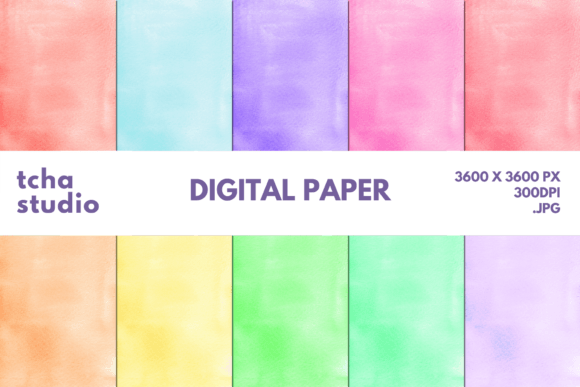
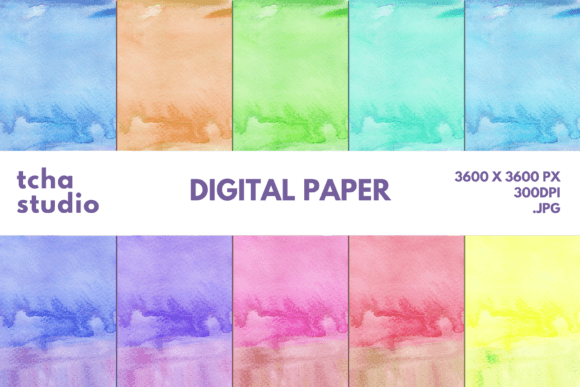
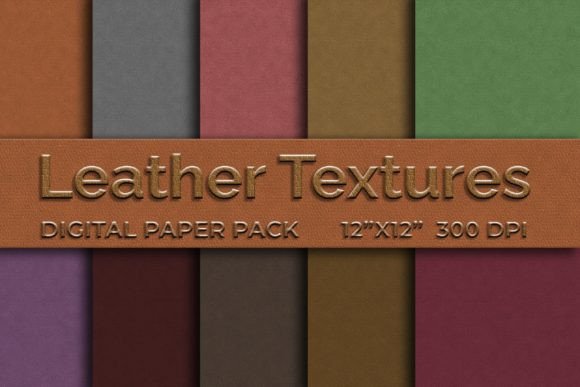
Leather Digital Paper is more than just a background texture; it's a versatile tool that can be used in multiple formats and contexts. The package includes 10 high-resolution JPG files at 300dpi, each measuring 3600 x 3600 pixels or 12" x 12". These dimensions make them ideal for both digital and print applications, ensuring clarity and detail whether you're using them on a screen or printing them out for physical use.
The quality of these textures is designed to meet professional standards, making them suitable for designers, marketers, and entrepreneurs who need reliable assets for their projects. The resolution ensures that even when printed at larger sizes, the texture remains sharp and visually appealing.
Applications of Leather Digital Paper
Leather Digital Paper is incredibly adaptable and can be applied across various industries and use cases. Here are some of the most common applications:
- Digital Backgrounds: Use the texture as a base for websites, presentations, or digital signage to add a premium feel.
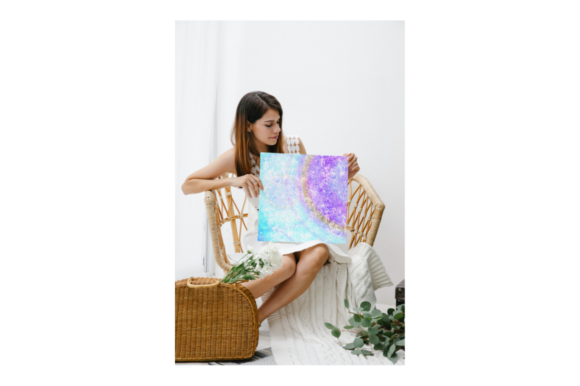
- Wall Art Prints: Print the designs on canvas or paper to create elegant home decor items that reflect a sophisticated style.
- Business Cards: Incorporate the leather texture into the design of business cards to give them a tactile and luxurious appearance.
- Scrapbooking: Add depth and richness to scrapbook pages by using the texture as a background or overlay.
- Holiday Cards: Create custom holiday cards with a unique, handcrafted look using the leather texture as a design element.
- Birthday Party Decorations: Use the digital paper to design invitations, banners, or table runners for themed parties.
- Invitations: Design event invitations with a classic, refined look that stands out from standard templates.
- Printing Labels: Apply the texture to product labels or packaging for a premium branding touch.
- Greeting Cards: Customize greeting cards with the leather texture to create personalized gifts or promotional materials.
- Desktop Backgrounds: Set the digital paper as your computer wallpaper to enhance your workspace with a stylish, textured look.
- Printable Games: Use the texture as part of board game designs or printable puzzles for added visual appeal.
- Wedding Party Decor: Incorporate the texture into wedding invitations, place cards, or photo frames for an elegant, timeless theme.
Integrating Leather Digital Paper into Your Workflow
Incorporating Leather Digital Paper into your workflow requires thoughtful planning and consideration of the project's goals. Here are some practical steps to help you get started:
- Define the Purpose: Determine the primary use of the texture. Is it for print, digital display, or something else? This will influence the format and resolution needed.
- Choose the Right File: Select a file that best matches the intended application. For example, if you're designing a business card, choose a texture that complements the color scheme and font style.
- Edit and Customize: Use graphic design software like Adobe Photoshop or Illustrator to adjust the texture. You can overlay text, change colors, or blend it with other elements to achieve the desired effect.
- Test the Output: Before finalizing the design, test how the texture looks on different devices or in print. Ensure that the quality remains consistent across all platforms.
- Organize Your Assets: Keep your digital paper files organized in a dedicated folder. Label them clearly based on their use case to avoid confusion later.
By following these steps, you can ensure that Leather Digital Paper is used effectively and efficiently within your workflow. It's also important to consider compatibility with other tools and resources you may be using, such as design software, printers, or online platforms where you'll be sharing your work.
Workflow Integration and Compatibility
One of the key advantages of Leather Digital Paper is its versatility in terms of compatibility. The high-resolution JPG format works well with most design software, including Adobe Creative Suite, Canva, and even free tools like GIMP or Inkscape. This makes it easy to integrate into both professional and personal projects without requiring specialized equipment or knowledge.
When working with print media, it's essential to ensure that your printer supports high-resolution files. Most modern printers can handle 300dpi images, but it's always a good idea to check the specifications before printing. Additionally, if you're using the texture for web-based projects, optimize the file size while maintaining quality to ensure fast loading times.
Another consideration is the interaction between the texture and other design elements. Leather Digital Paper should be used as a complementary element rather than the main focus. It works best when paired with clean typography, minimalistic layouts, or subtle patterns that don't overpower the texture.
Long-Term Use and Quality Control
For long-term use, it's important to maintain the quality of the Leather Digital Paper files. Store them in a secure location, such as an external hard drive or cloud storage service, to prevent data loss. Avoid compressing the files unnecessarily, as this can reduce the resolution and affect the overall quality.
Regularly update your design software and check for any compatibility issues that may arise over time. As technology evolves, newer versions of design tools may offer enhanced features that improve the way you work with digital textures.
Finally, consider the consistency of your design language. If you're using Leather Digital Paper across multiple projects, maintain a cohesive style to ensure brand recognition and visual harmony. This is particularly important for businesses and professionals who rely on consistent branding across all marketing materials.
Whether you're a designer, marketer, entrepreneur, or hobbyist, Leather Digital Paper offers a valuable resource that can enhance your creative output. By understanding how to use it effectively and integrating it into your workflow, you can unlock new possibilities for your projects and deliver high-quality results that stand out from the crowd.