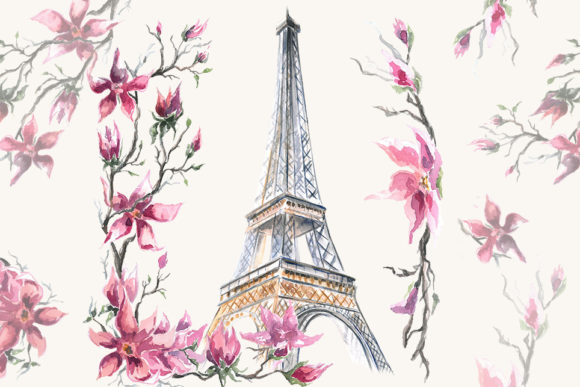
Paris Clipart, Watercolor, Eiffel Tower: A Creative Asset for Designers and Artists
Paris Clipart, Watercolor, Eiffel Tower is a collection of high-quality hand-painted watercolor elements that bring the iconic landmarks and seasonal motifs of Paris to life. This set includes delicate magnolia blossoms, springtime scenes, and the unmistakable silhouette of the Eiffel Tower, all rendered in soft, flowing watercolor style. These elements are designed with precision and care, making them ideal for a wide range of creative projects. Whether you're working on a personal project or professional design, this clipart set offers versatility, beauty, and ease of use.
Why Paris Clipart, Watercolor, Eiffel Tower Matters in Your Workflow
Incorporating Paris Clipart, Watercolor, Eiffel Tower into your creative process can enhance both the aesthetic and functional aspects of your work. These assets are not just decorative; they serve as tools that streamline design tasks, reduce time spent on sourcing visuals, and ensure consistency across multiple projects. For designers, illustrators, and content creators, having access to curated, high-resolution clipart like this can significantly improve efficiency and output quality.
The watercolor style of these elements adds a touch of elegance and warmth to any project. Unlike digital illustrations that may feel too rigid, watercolor designs offer a more organic and artistic feel. This makes them particularly useful in contexts where a handcrafted look is desired—such as wedding invitations, greeting cards, or branding materials.
Use Cases for Paris Clipart, Watercolor, Eiffel Tower
- Decoupage & Scrapbooking: The size options (3x16 cm, 18x27 cm, etc.) make these elements perfect for cutting and pasting onto various surfaces. They add a charming, nostalgic element to handmade crafts.
- Wedding Invitations & Stationery: The romantic tone of watercolor elements pairs beautifully with wedding themes. The Eiffel Tower, in particular, is a symbol of love and romance, making it an excellent choice for proposals, engagement announcements, or destination weddings.
- Product Packaging & Branding: These elements can be used to create unique packaging for products such as candles, stationery, or artisanal goods. The transparent background ensures easy integration into any design.
- Home Decor & Wall Art: Printing these elements on canvas or paper allows for the creation of personalized wall art or decorative accents. They can also be used as stickers or labels for organizing spaces.
- Clothing & Accessories: From t-shirts to bags and pillowcases, these designs can be printed onto fabric to create fashion-forward items with a subtle, elegant appeal.
Integration into Your Creative Process
When integrating Paris Clipart, Watercolor, Eiffel Tower into your workflow, consider how each element fits into your existing tools and platforms. These files are provided in PNG format with a transparent background, which means they are compatible with most graphic design software, including Adobe Photoshop, Illustrator, Canva, and even free tools like GIMP or Inkscape.
Before using these elements, it's important to organize your files properly. Creating folders based on categories such as “Eiffel Tower,” “Magnolia Blossoms,” or “Spring Scenes” can help you locate the right asset quickly. Additionally, keeping track of file sizes and resolutions (300 dpi, RGB) ensures that your final outputs maintain high quality, whether you're printing or displaying digitally.
One practical tip is to use these clipart elements as part of a larger design system. For example, if you're working on a series of product packaging, you can apply the same watercolor motifs across different items to create a cohesive brand identity. This approach not only saves time but also reinforces visual consistency, which is crucial for professional branding.
Workflow Examples
- Project Planning Phase: Identify the key visual elements needed for your project. If you're designing a line of stationery inspired by Paris, select the relevant clipart elements such as the Eiffel Tower and magnolia blossoms.
- Design Execution: Import the selected clipart into your design software and adjust their size, position, and color to fit your layout. Use layers to manage different elements and maintain flexibility during the design process.
- Quality Control: Ensure that the resolution and format meet your project requirements. Check that the transparent background doesn’t interfere with the overall design and that the colors remain consistent across different backgrounds.
- Final Output: Export your design in the appropriate format (e.g., PDF, PNG, JPEG) and prepare it for print or digital distribution. Test how the clipart looks in different lighting conditions and environments to ensure optimal visibility.
Practical Tips for Using Paris Clipart, Watercolor, Eiffel Tower
While the versatility of Paris Clipart, Watercolor, Eiffel Tower is one of its greatest strengths, there are a few best practices to keep in mind when using these assets. First, always check the dimensions and aspect ratios before scaling the elements. Some designs may not look balanced when resized improperly.
Second, consider the context in which you're using the clipart. The Eiffel Tower, for instance, is a strong visual anchor, but it should be used thoughtfully to avoid overwhelming other design elements. Similarly, the magnolia blossoms add a soft, floral touch that works well in spring-themed projects but may not be suitable for more formal or minimalist designs.
Third, don't forget to experiment. These clipart elements are meant to inspire creativity, so don't hesitate to combine them in new and unexpected ways. Try layering different elements, adjusting their opacity, or applying filters to achieve the desired effect.
Long-Term Use and Organization
If you plan to use Paris Clipart, Watercolor, Eiffel Tower frequently, it's worth investing in a good file management system. Consider creating a dedicated folder for each type of element and naming them clearly for easy reference. You might also want to back up your files regularly, especially if you're working on multiple projects simultaneously.
Another useful strategy is to document your usage patterns. Keeping a log of which clipart elements you've used in past projects can help you identify trends and optimize your future workflows. This practice is particularly valuable for freelancers and small business owners who need to maintain consistency across their client work.
Finally, think about how these assets can evolve with your creative journey. As your skills and preferences change, you may find new ways to incorporate Paris Clipart, Watercolor, Eiffel Tower into your work. Staying open to experimentation and adaptation will help you get the most out of these beautiful, versatile elements.