Safari Animals: A Versatile Design Asset for Creatives and Professionals
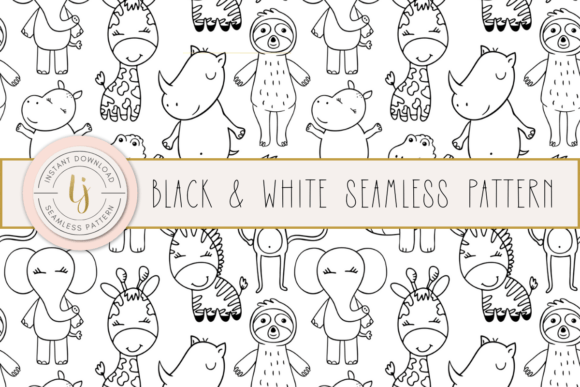
When it comes to digital design, having the right assets can make all the difference. Safari Animals is a high-resolution, black-and-white, 12 x 12 seamless digital paper that features hand-drawn doodle-style illustrations of animals typically found in a safari setting. This unique design element is perfect for a wide range of creative projects, from branding to stationery, and more. However, many creators may overlook key details when choosing or using this asset, which can affect the final outcome of their work.
What Are Safari Animals and Why They Matter
Safari Animals refers to a collection of digital paper designs featuring stylized depictions of wildlife such as elephants, lions, giraffes, zebras, and more. These are not just simple images but intricate, hand-drawn doodles that offer a charming and whimsical aesthetic. The design is available in multiple file formats, including JPG, PNG, SVG, and AI, making it adaptable for both print and digital use.
The appeal of these designs lies in their versatility. Whether you're creating a website background, designing a brochure, or working on a Cricut project, the seamless nature of the pattern ensures that it can be used without visible seams or disruptions. This makes it ideal for backgrounds, textures, and even as part of larger compositions.
Common Mistakes When Using Safari Animals
While Safari Animals is a powerful design tool, there are several common mistakes that users often make. One of the most frequent errors is selecting the wrong file format for the intended use. For instance, using a JPG file for transparent elements can lead to unwanted background colors appearing in your design. Always ensure you choose the correct file type—like PNG for transparency or SVG for scalable vector graphics.
Another mistake is not considering the resolution. Although the design is provided at 300 DPI, which is excellent for print, some users might overlook this detail and use it for high-resolution displays without adjusting the scaling accordingly. This can result in blurry or pixelated visuals, especially if the image is enlarged beyond its original size.
Additionally, many creators fail to check the licensing terms before using the design. While the asset is downloadable and ready to use, it's essential to confirm whether it's suitable for commercial use or if any restrictions apply. Ignoring these details could lead to legal issues down the line, especially if the design is used in a product sold publicly.
How to Avoid Common Pitfalls
To ensure that your project looks professional and functions well, it's crucial to take a few steps before using Safari Animals. First, always review the file types included in the download. Make sure you have the necessary files for your specific needs—whether that’s a transparent PNG for a website header or an AI file for editing in Adobe Illustrator.
Next, test the design in different contexts. If you're using it for a blog post or website, preview how it appears on various screen sizes and resolutions. This will help you avoid layout issues or visual inconsistencies that could affect user experience.
Lastly, read through the terms of use carefully. If the asset is intended for personal use only, consider purchasing additional licenses or looking for alternative resources if you need to use it commercially. Taking these precautions ensures that you remain compliant and avoid potential complications.
Practical Tips for Maximizing the Use of Safari Animals
One of the best ways to get the most out of Safari Animals is to experiment with different applications. Try using the pattern as a background for a website, or incorporate it into a business card design to add a touch of creativity. Since the design is seamless, it can also be used for wrapping paper, fabric patterns, or even as a backdrop for social media posts.
For those who are new to digital design, using tools like Adobe Illustrator or free online editors can help in customizing the asset further. You can adjust colors, scale the design, or even combine it with other elements to create a cohesive look. Just remember to maintain the integrity of the original artwork while making changes.
If you're planning to use the design for print, always ensure that the resolution is appropriate. Printers require higher quality images than screens, so double-check that the file meets the required specifications. This will prevent issues like poor print quality or misalignment.
Conclusion
Safari Animals offers a unique blend of charm and functionality, making it a valuable addition to any designer’s toolkit. By understanding the nuances of file formats, resolution, and licensing, you can avoid common pitfalls and achieve better results. Whether you're a beginner or a seasoned professional, taking the time to learn about the proper use of this asset will enhance your creative workflow and the overall quality of your projects.